Winding of Electric Motors: A Complete Guide on the Process and When It Is Worth It
An industrial critical motor stops. Production halts. The silence in the plant is synonymous with imminent economic losses. At that moment, the key question is: Can it be repaired? The answer, in a large number of cases, lies in a technical and almost artisanal process: the winding of electric motors.
Far from being a simple fix, rewinding is a reconstruction process that can breathe life back into a valuable asset. In this complete guide, we will explore what it consists of, why windings fail, and, most importantly, when it is the smartest and most cost-effective solution.
What exactly is the winding of an electric motor?
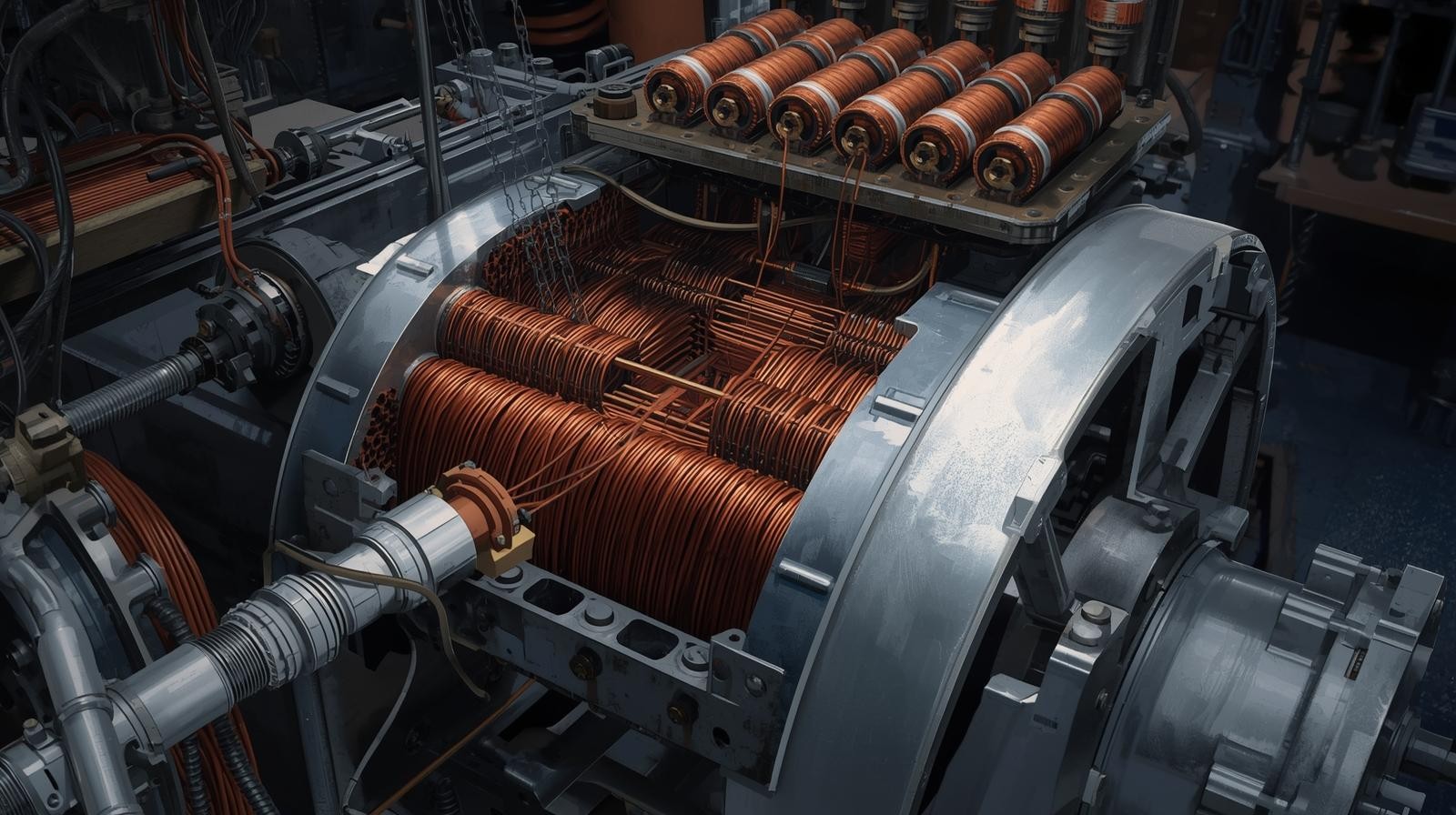
The winding is the set of windings — coils of copper wire coated with insulating varnish — that are precisely housed within the slots of the stator (the fixed part of the motor). Its function is essential: when receiving electric current, they generate the rotating magnetic fields that interact with the rotor to produce movement.
In short, the winding is the functional heart of the motor. If it fails, the motor stops functioning altogether.
Main Causes of Winding Failure in a Motor
A failure in the winding rarely occurs by chance. It is usually the result of one or more stress factors that degrade its components. Understanding these causes is the first step to preventing future breakdowns.
Overheating: The Silent Enemy of Insulation
This is the number one cause. Excessive heat, whether due to mechanical overload, poor ventilation, or voltage spikes, degrades the insulating varnish that covers the copper wire. When this insulation becomes brittle and disappears, adjacent coils come into contact, causing a short circuit in the winding that burns the motor.
Contamination: Moisture, Dust, and Chemical Agents
The work environment plays a crucial role. Moisture, conductive dust (such as metal or carbon dust), or chemical vapors can penetrate the motor. These contaminants adhere to the winding, corrode the insulation, and create low-resistance paths for current, leading to an insulation failure in the motor.
Electrical Failures: Voltage Spikes and Phase Imbalance
An unstable electrical network can be lethal for a motor. Voltage spikes can puncture the insulation of the winding, while a voltage imbalance between phases forces some coils to work harder than others, generating localized overheating and premature failure.
Mechanical Stress: Vibrations and Bearing Failures
A motor that vibrates excessively due to worn bearings, a misaligned shaft, or poor mounting subjects the winding to constant mechanical stress. These vibrations can cause the coils to rub against the stator slots, physically wearing the insulation until a short circuit occurs.
The Motor Winding Process Step by Step
The repair of electric motors through rewinding is a methodical process that demands precision and experience. A professional motor winding workshop follows these steps:
Step 1: Reception, Inspection, and Initial Diagnosis
Before disassembling anything, initial electrical tests (insulation resistance, resistance between phases) are carried out to confirm that the failure resides effectively in the winding and not in another component.
Step 2: Disassembly and Data Collection of the Original Winding
This is the most critical step in the process. The motor is completely disassembled and data from the original winding are meticulously documented: connection diagram, number of slots, wire gauge, number of turns per coil, and type of insulation. An error in this phase guarantees the failure of the repair. Here is defined how to wind a three-phase or single-phase motor to operate according to its original specifications.
Step 3: Removal of the Burned Winding and Cleaning of the Stator
The stator is placed in a controlled burn oven to calcine the old varnish and insulation, which allows the damaged copper to be extracted without harming the magnetic steel core. It is then thoroughly cleaned to remove any residue.
Step 4: Insulation of Slots and Manufacturing of New Coils
New insulating papers are inserted into the stator slots. Meanwhile, in a winding machine, new coils are manufactured exactly replicating the data (gauge and number of turns) taken in Step 2.
Step 5: Insertion and Wiring of the New Winding
With great manual skill, technicians insert the new coils into the stator slots, ensuring they do not damage the copper enamel. Then, the wiring of the coil groups is performed according to the original diagram.
Step 6: Testing, Varnish Impregnation, and Oven Curing
The already rewound stator undergoes electrical tests to ensure there are no leakages. It is then immersed in a high-quality dieletric varnish for motors and placed in a curing oven. This process protects the winding from moisture and vibration, and improves heat dissipation.
Step 7: Final Assembly and Performance Tests
Finally, the motor is reassembled, generally installing new bearings and seals. Tests on a rewound motor are conducted under no-load and load conditions to ensure that current consumption, temperature, and vibration levels are correct and stable.
The Big Question: Rewind a Motor or Buy a New One?
This is the key decision. The answer depends on an analysis of the following factors, one of the most common doubts being whether it is worth rewinding a motor.
Cost Analysis: Repair vs. Replacement
As a general rule, if the cost of winding the motor is less than 60-70% of the cost of an equivalent new motor, repair is usually the most cost-effective option from an immediate financial perspective.
Key Factor: Energy Efficiency (Old Motors vs. IE3/IE4)
This is a crucial and honest point. If the motor that has failed is old and of low energy efficiency, the investment in a new high-efficiency motor (IE3 or IE4 class) may pay for itself in the medium term due to savings on the electricity bill, besides contributing to sustainability goals.
Downtime and Availability
A quality rewinding process takes time (several days, depending on the size of the motor). If a new motor is available for immediate delivery and production downtime is critical, replacement may be the best option to minimize downtime.
The Criticality and Specialization of the Motor
For large motors, specially designed (servo motors, direct current motors), or old models that are difficult to find, rewinding is not just the best option, but often the only viable one.
Myths and Realities about Motor Winding
Myth: "A rewound motor always loses efficiency"
False. This statement is only true if the work is done in a low-quality workshop that alters the original winding data or uses poor materials. A professional winding that scrupulously respects the original design and uses high-quality materials can keep the motor's efficiency intact.
Myth: "Any repair shop can wind a motor"
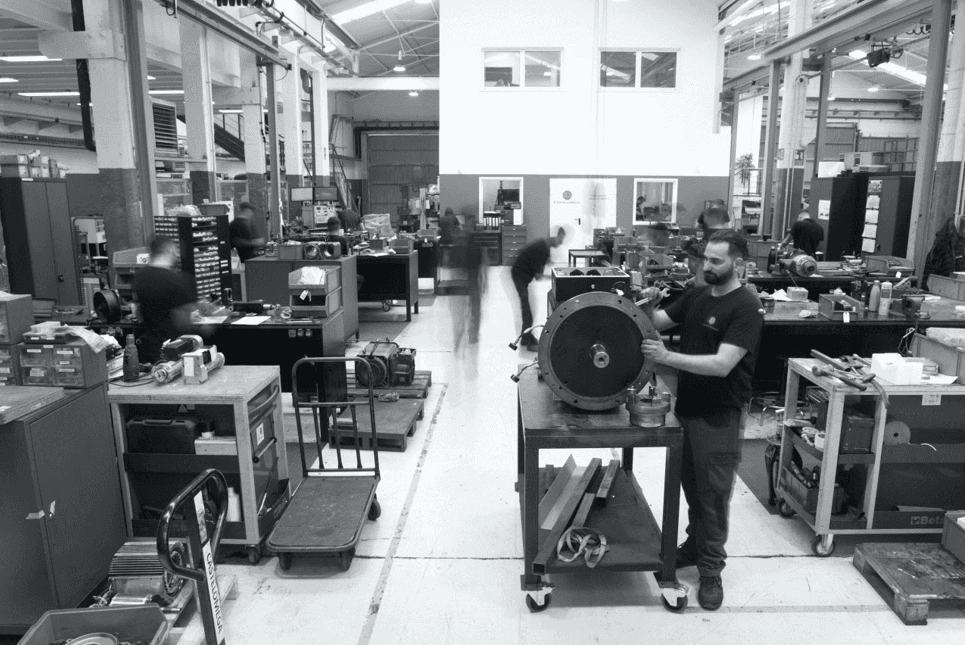
False. Quality winding requires highly skilled technicians, specific machinery (controlled burn ovens, winders, testing and balancing equipment), and a deep knowledge of electromagnetic theory. It is not work for beginners.
When to Trust Your Motor to a Professional Winding Service?
If you are facing a burned motor and the continuity of your production is at stake, the decision should not be taken lightly. A misdiagnosis or a poor-quality repair will only postpone the problem and generate more costs.
If you need an accurate diagnosis to decide whether to rewind or replace your motor, or if you are looking for a guaranteed winding service that restores reliability to your equipment, contact our specialists. We will provide you with a transparent evaluation and a professional solution.
Conclusion: A Second Life for Your Motors When Done Right
The winding of an electric motor is much more than a simple repair; it is a reconstruction of its most vital component. When executed by experts, it becomes a sustainable, economical, and highly reliable option that gives a second life to your assets, ensuring that they continue to drive your productivity for many more years.